

PHC India – Healthcare Corporate Website Case Study
Project Description
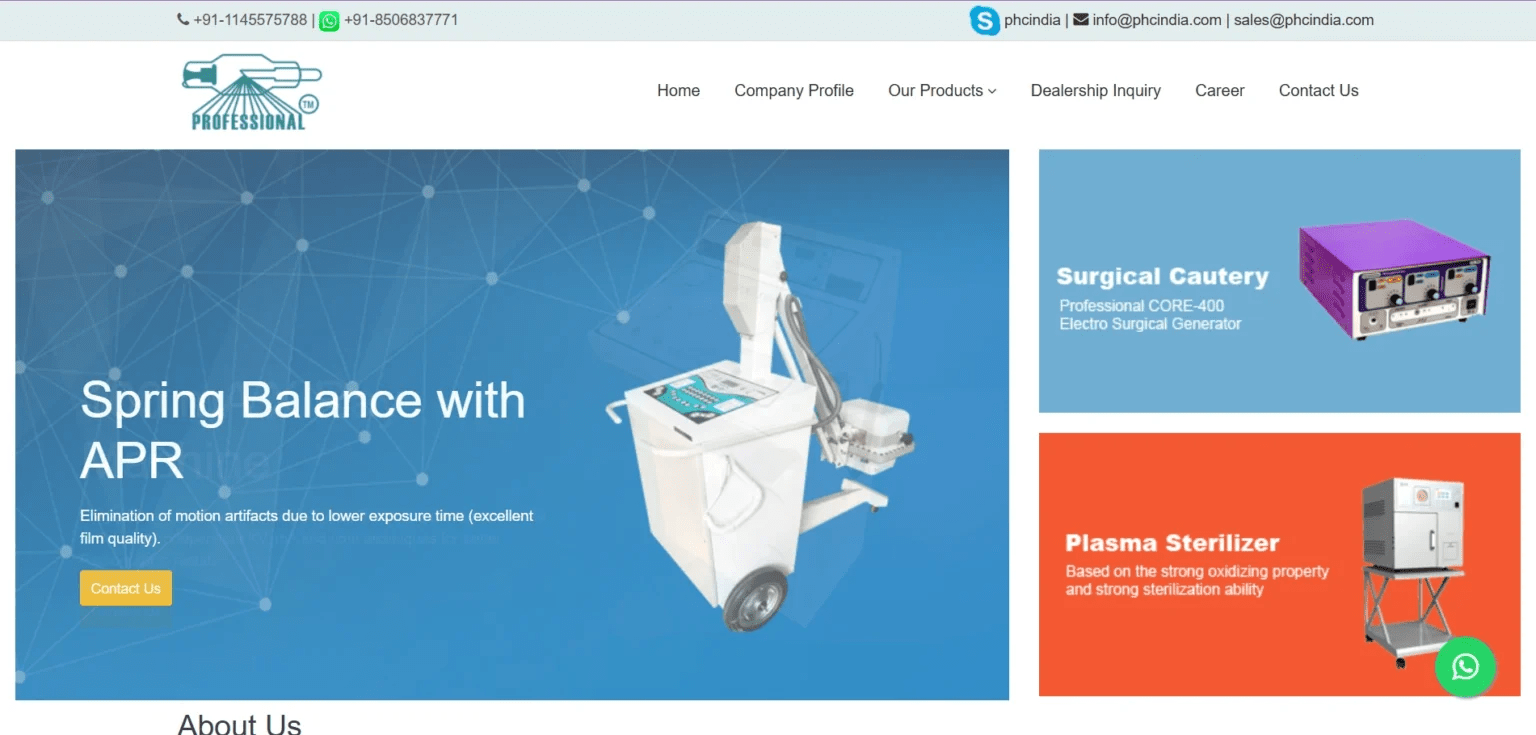
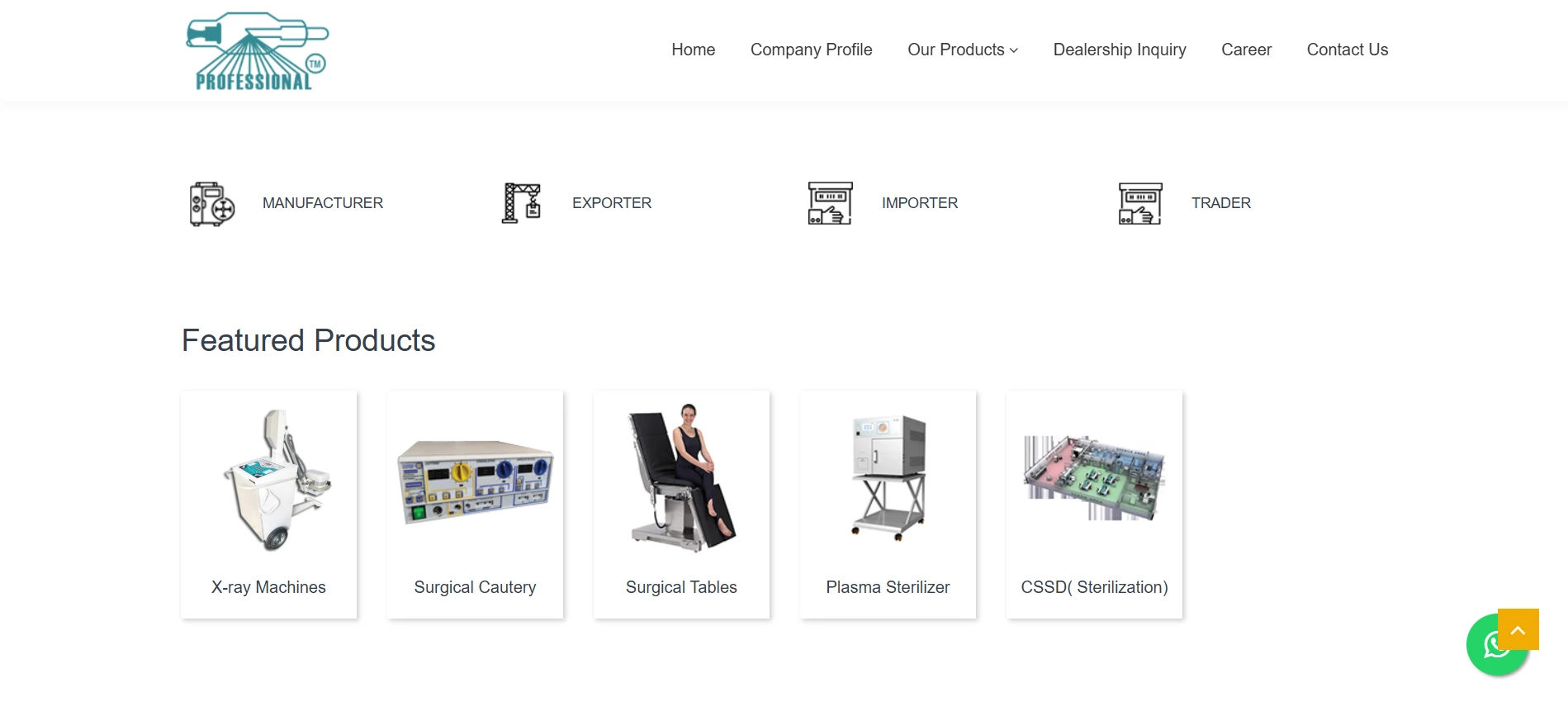
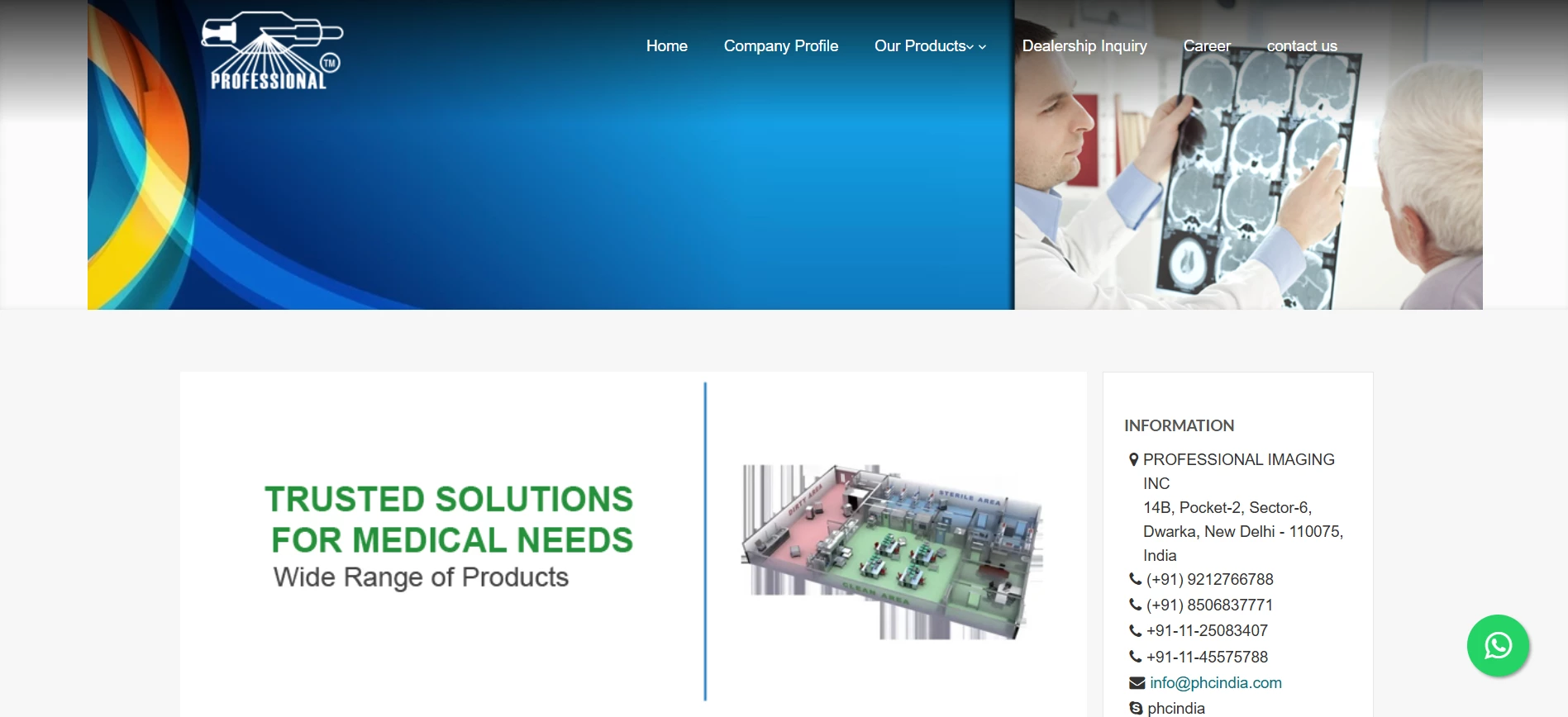
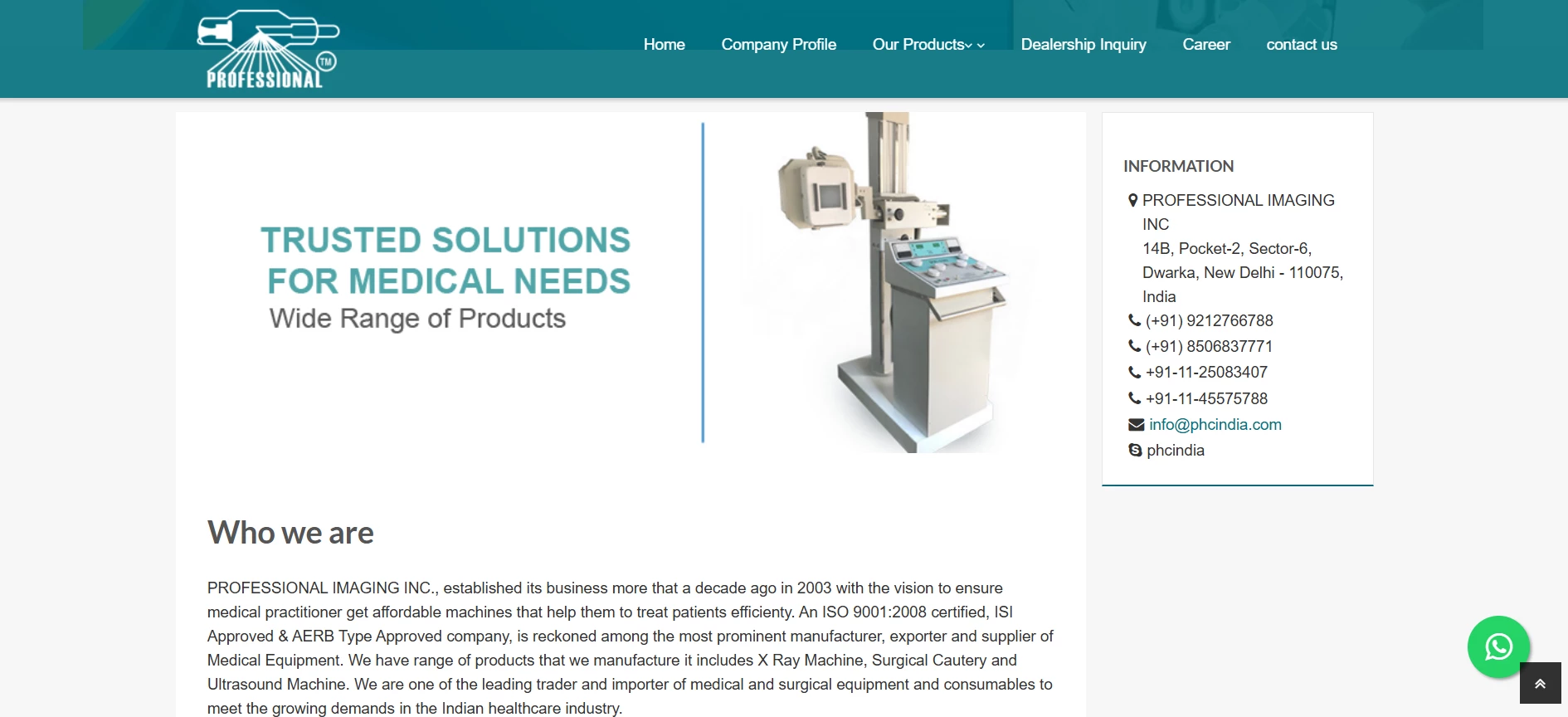
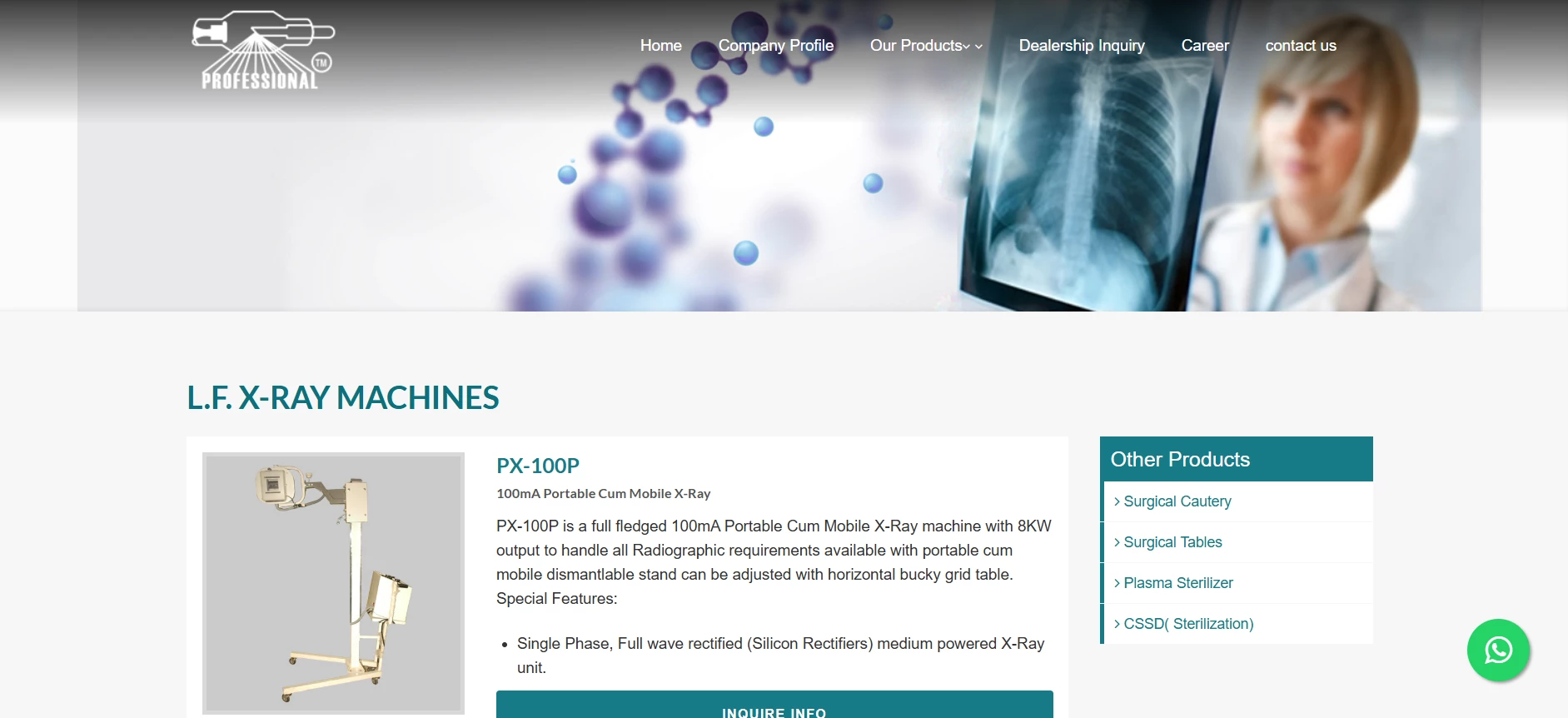
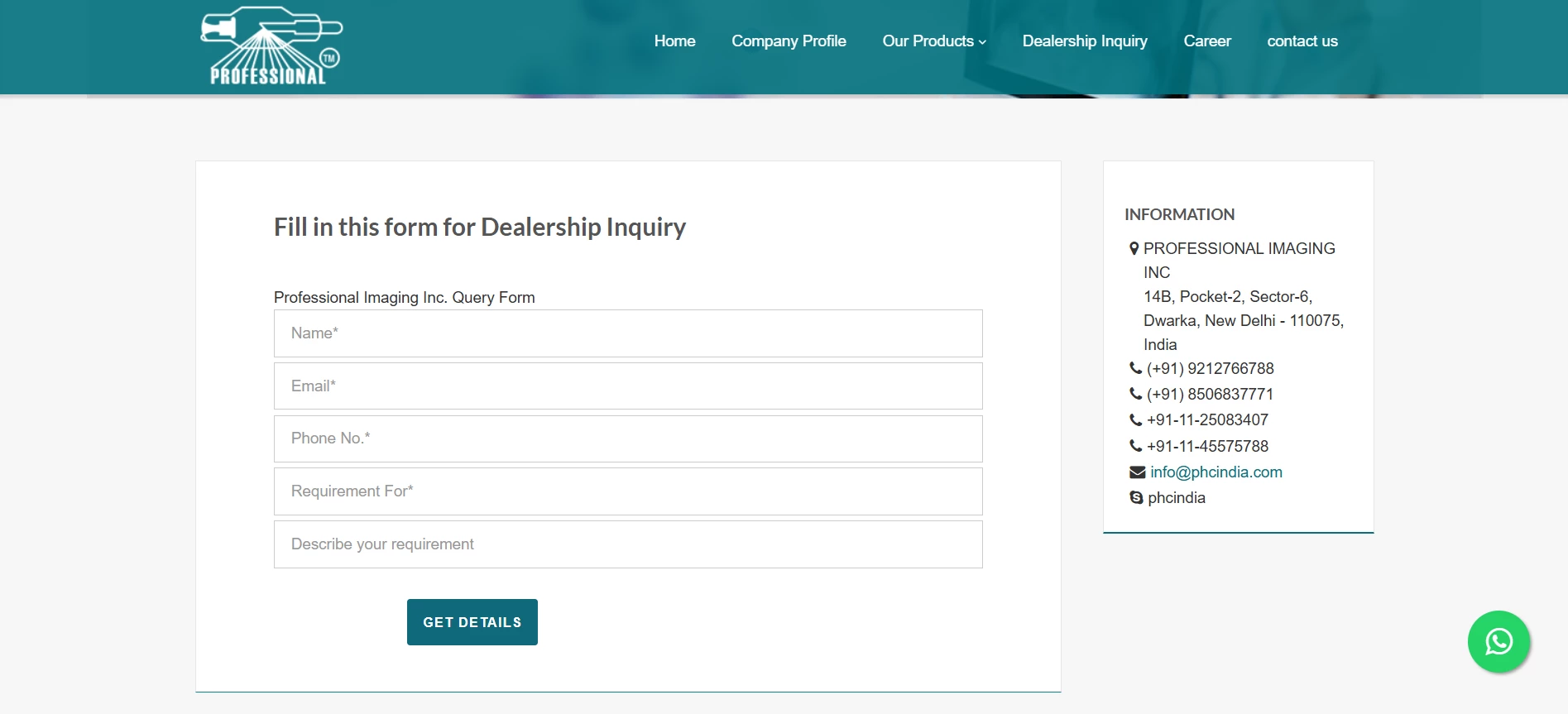
As an HTML/CSS Developer at Bootspider LLC, I contributed to the frontend development of the PHC India corporate website. The project focused on creating a modern, responsive, and user-friendly healthcare website that effectively communicates the organization’s services, mission, and expertise.
The primary objective was to transform the approved UI design into a fully responsive, pixel-perfect, and high-performance website while ensuring excellent usability across all devices and browsers.
The project emphasized clean code, accessibility, fast loading speeds, and a professional user experience that aligns with the healthcare industry’s standards.
Project Goals
The key objectives of the project were:
- Develop a modern healthcare website with responsive layouts.
- Convert UI designs into pixel-perfect HTML/CSS pages.
- Ensure cross-browser compatibility.
- Optimize website performance and loading speed.
- Improve accessibility and mobile usability.
- Deliver clean, maintainable, and scalable frontend code.
- Create a user-friendly experience for patients and healthcare professionals.
My Role as HTML/CSS Developer
At Bootspider LLC, my responsibilities included:
- HTML5 semantic markup development
- CSS3 styling and responsive layouts
- Pixel-perfect UI implementation
- Mobile-first responsive development
- Cross-browser compatibility testing
- Performance optimization
- Frontend bug fixing
- Reusable component development
- Responsive grid implementation
- Website maintenance and UI improvements
Development Approach
1. Pixel-Perfect Frontend Development
The project began by converting approved UI designs into fully functional web pages with close attention to:
- Accurate spacing and alignment
- Typography consistency
- Professional color implementation
- Responsive layouts
- Interactive UI components
- Clean visual hierarchy
The result was a polished interface that accurately reflected the design specifications.
2. Responsive Website Development
The website was built using a mobile-first approach to ensure consistent performance across all screen sizes.
Responsive implementation included:
- Flexible grid layouts
- Mobile navigation optimization
- Responsive images
- Adaptive content sections
- Tablet and desktop compatibility
- Touch-friendly user interface
This ensured an excellent browsing experience on smartphones, tablets, laptops, and desktops.
3. Clean & Scalable Code Structure
To improve long-term maintainability, I followed frontend best practices by:
- Writing semantic HTML5 markup
- Organizing reusable CSS components
- Maintaining structured code architecture
- Using clean class naming conventions
- Reducing unnecessary code duplication
This made future updates and maintenance easier for the development team.
4. Performance Optimization
Website performance was improved through several frontend optimizations, including:
- Optimized images
- Minified CSS files
- Efficient asset loading
- Reduced render-blocking resources
- Lightweight frontend implementation
- Faster page rendering
These enhancements contributed to quicker load times and a smoother user experience.
Key Features Implemented
- Pixel-Perfect HTML5 Development
- Responsive CSS3 Layouts
- Mobile-First Design
- Cross-Browser Compatibility
- Semantic HTML Structure
- Responsive Navigation
- Optimized UI Components
- Performance Optimization
- Reusable Frontend Sections
- Clean & Maintainable Code
Technologies Used
- HTML5
- CSS3
- Bootstrap
- JavaScript
- Responsive Web Design
- Flexbox
- CSS Grid
- Git Version Control
Challenges & Solutions
Challenge
Creating a professional healthcare website that maintained design accuracy while delivering fast performance and a responsive user experience across multiple devices and browsers.
Solution
I implemented semantic HTML, modular CSS, and responsive layouts while optimizing frontend assets for performance. Careful testing across different browsers and screen sizes ensured a consistent experience for all users.
Results & Impact
1. Professional Healthcare Presence
The website presents PHC India with a clean, trustworthy, and professional online identity that aligns with the healthcare sector.
2. Improved User Experience
Visitors can easily navigate services, access important information, and browse the website through a simple and intuitive interface.
3. Fully Responsive Design
The mobile-first implementation provides an optimal viewing experience across smartphones, tablets, and desktop devices.
4. Better Performance
Frontend optimization techniques improved loading speed, responsiveness, and overall website usability.
5. Scalable Frontend Architecture
The structured HTML and CSS codebase makes future updates and feature enhancements efficient and manageable.